A friend steps aside…
Recounted by Louis Krasner in the December 1987 issue of The Strad, this is the story of a friendship, a remarkable violin, and the moment one friend stepped aside so that the other might have it.
Krasner and Milstein were near contemporaries, born barely a year apart in the Russian Empire and both ultimately drawn to America. Krasner was born in Ukraine in 1903 and raised in Providence and Boston; Milstein was born in Odessa at the end of 1904, left the Soviet Union in 1925, and made his American debut four years later. By the early 1930s, the two were friends, and it was through that friendship that the 1710 Stradivari passed first into Milstein’s hands and, years later, went back to Krasner.
In 1934 the Rudolph Wurlitzer Company in New York telephoned Krasner in Boston. The ‘Dancla’ Stradivari had just arrived: would he like to see it?
Krasner went to New York at once and was “immediately struck by both the sound and appearance of this violin,” recalling its “light orange varnish and restrained arching” and its “sparkling tone.”
Krasner “adored the instrument” and had already put himself down as a buyer. Yet he felt that it “was unquestionably the violin for Milstein and that he had to have first choice.” He persuaded Wurlitzer to offer Milstein a price and terms he could manage. In return, Krasner asked only that if Milstein ever sold the violin, he would have first refusal.
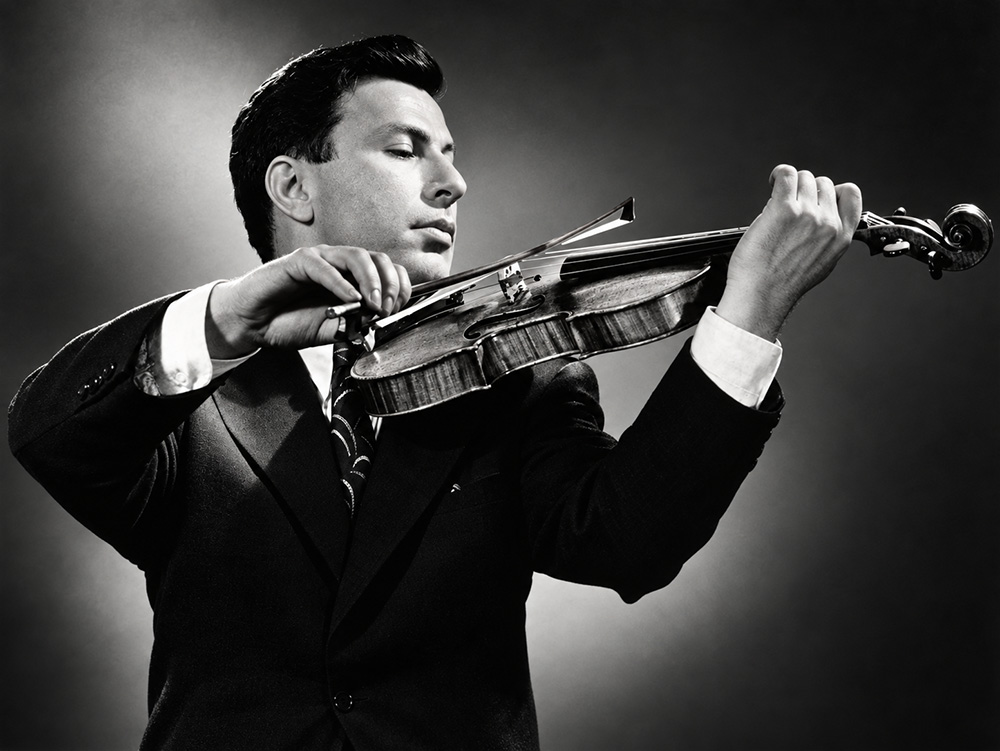
“In Milstein’s early years,” Krasner later wrote, the violin “was an integral part of his beautiful career.” With its “bright soprano sheen,” it was “like an eager young colt in Milstein’s hands.”
When the violin came up for sale again years later, Krasner, then concertmaster of the Minneapolis Symphony under Dimitri Mitropoulos, needed little persuasion and acquired it straight away. In 1949 Milstein visited Minneapolis and once again took up his former violin, playing it in rehearsal with the orchestra. Krasner asked why he had given it up. Milstein’s answer was very much of its time. He compared the Dancla to “a sparkling, eager blond” whom he had left for “a more sombre and perhaps quieter and more composed, sedate brunette.”
The language belongs to another era, but the point was unmistakably tonal. Both men heard in the violin the same brilliance, immediacy and extraordinary power of projection. Krasner later described how the 1710 rose above the orchestra in the Schoenberg Concerto, a work he had himself premiered: “This Strad’s bright and lustrous soprano voice shines and reaches above all the orchestral sonorities.”
He compared the Dancla to “a sparkling, eager blond” whom he had left for “a more sombre and perhaps quieter and more composed, sedate brunette.” The language belongs to another era, but the point was unmistakably tonal. Both men heard in the violin the same brilliance, immediacy and extraordinary power of projection.
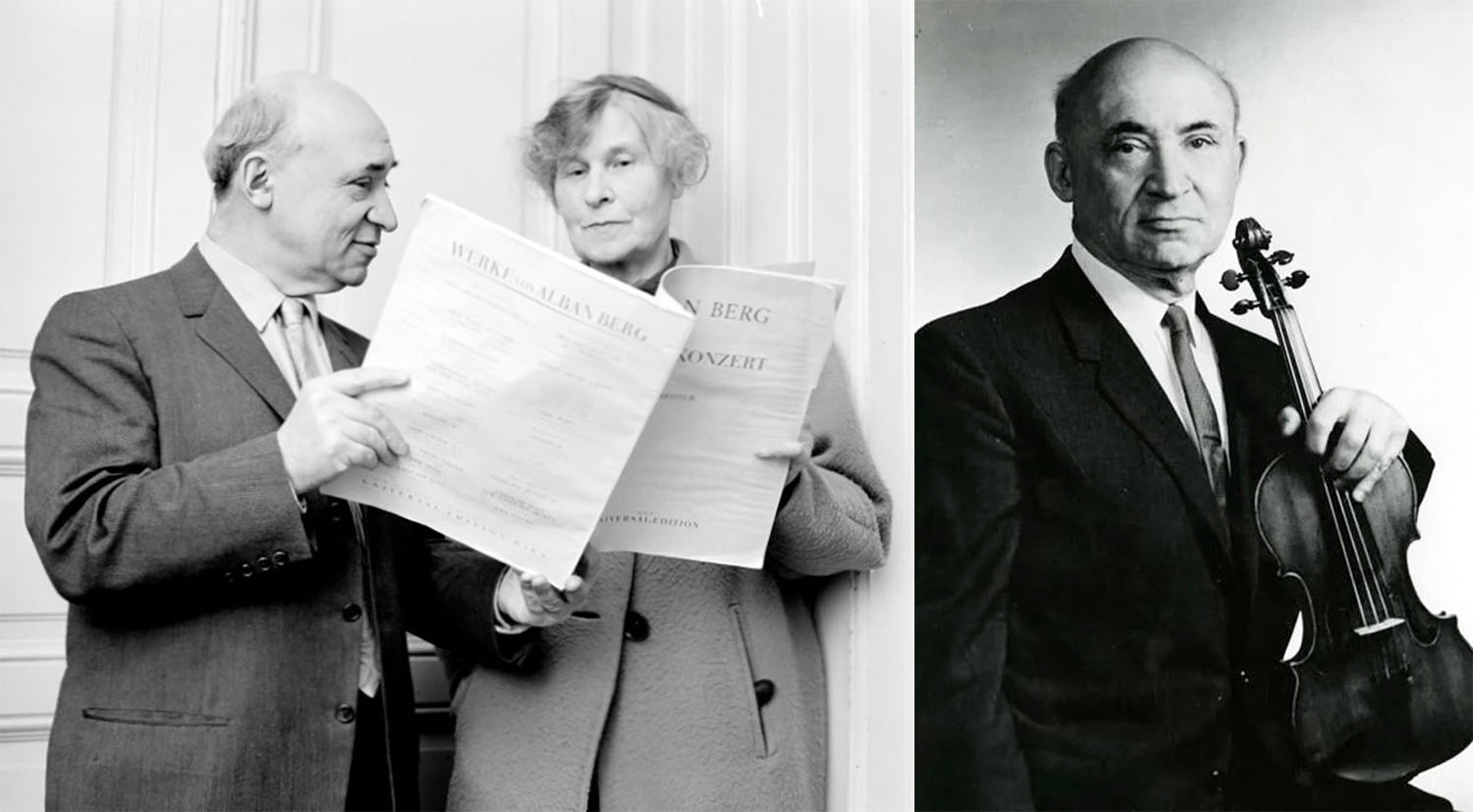
Krasner in c. 1961 with Helene Berg, widow of Alban Berg and a noted singer, and with the 1710 Stradivari.
From Paris to Philadelphia, New York, Boston and Tokyo…
The ‘Dancla, Milstein, Krasner, Eto’ first appears in the register begun by Charles-Eugène Gand in 1870, recording the great Stradivari and Guarneri instruments he examined and dealt with. After Gand’s death, the register was copied and continued by Bernardel and later Caressa & Français. Two versions survive today in the Jacques Français archive at the Smithsonian’s National Museum of American History. Together with the surviving business and workshop archives of the Lupot–Gand–Bernardel–Caressa & Français succession, preserved at the Musée de la Musique in the Philharmonie de Paris, these records form the basis for much of this violin’s early history.
In 1877 Gand & Bernardel frères bought the violin from M. Florent, probably the Florent of 29 rue du Vieux-Colombier who appears in their account books. On August 21 they sold it to Caspar Gottlieb Meier (1838–1904) of London. Meier, the son of a Burgomaster of Bremen, ran an indigo business at 16 Philpot Lane in the City and was also a serious amateur violinist and collector. Four years earlier he had paid Charles Wilmotte of Antwerp £600 for the ‘Betts’ Stradivari. Arthur Hill, who as a boy carried instruments to Meier’s house in Camberwell, remembered him as “a Bismarck in miniature”: stiff in bearing, severe in dress and precise in speech, but generous enough always to give the young Hill “a shilling or two” for his trouble.
After Meier, the violin’s next owner was Charles Dancla (1817–1907), one of the leading representatives of the nineteenth-century French violin school, whose name the violin has carried ever since. A pupil of Pierre Baillot at the Paris Conservatoire, Dancla combined an important performing career with more than half a century of teaching and became one of the Conservatoire’s most influential violin professors. His studies, caprices and other pedagogical works were widely used and helped transmit the French school of playing to successive generations of violinists.
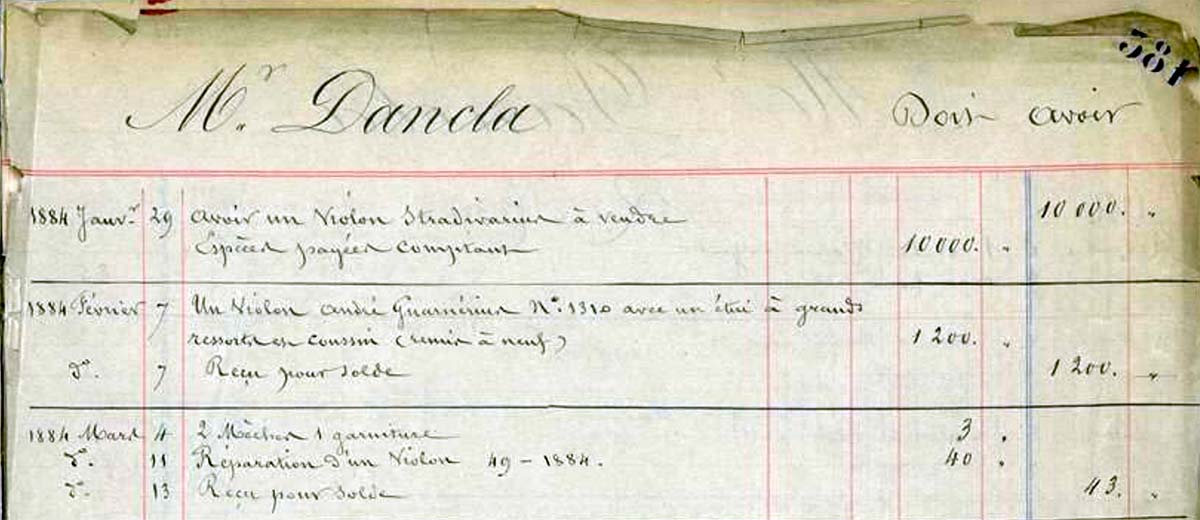
From the Gand & Bernardel records in the Musée de la Musique in the Philharmonie de Paris, the acquisition of the violin from Dancla in 1884 for 10,000 French Francs. (1881-1887-GandBern_GL_1881-1887_E_981_8_4-381)
The Gand catalog records Dancla as an owner, but not the date of his purchase. A clue appears in the certificate issued to Nathan Milstein by W. E. Hill & Sons in 1934, which mentions a pencilled inscription inside the violin: “Charles Dancla, 1873.” The inscription is no longer visible, and the date cannot in any event be correct, since Meier did not acquire the violin until 1877. The most likely explanation is that the final digit was misread when the inscription was transcribed—1873 for 1878. If so, Dancla acquired the violin within a year of Meier’s purchase, consistent with Meier’s habit of owning important instruments only briefly.
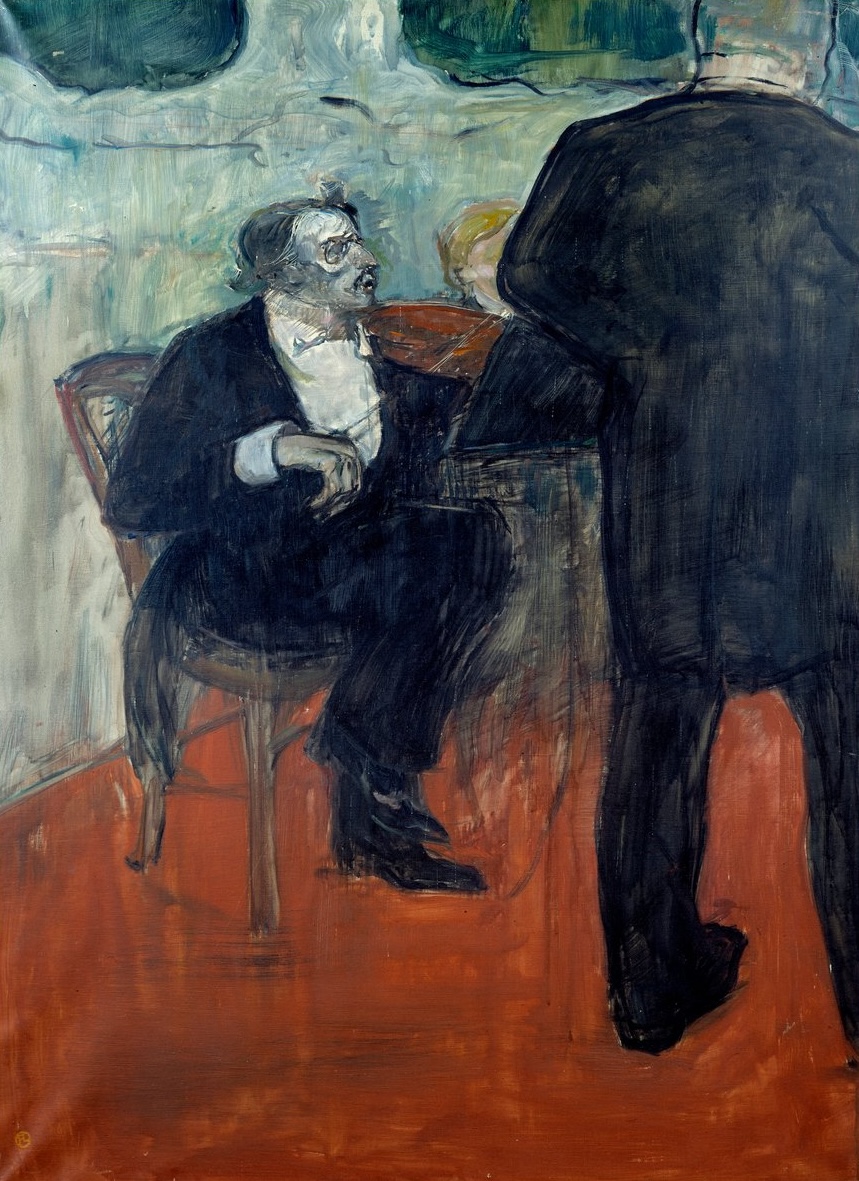
Charles Dancla painted by Henri de Toulouse-Lautrec.
In 1884 Dancla sold the violin back to Gand & Bernardel, who sold it on January 29 to M. Legrand of Paris. Legrand kept it for the next forty years. In 1925 it left Paris for New York, when Albert Caressa sold it to Rodman Wanamaker (1863–1928) through Dr Thaddeus Rich (1885–1969), concertmaster and assistant conductor of the Philadelphia Orchestra and Wanamaker’s trusted adviser. A later hand in the catalog records the transaction: “Vendu en 1925 à J. [sic] Wanamaker.” The clerk evidently wrote the initial of Wanamaker’s father, who had died three years earlier.
Rodman Wanamaker, the Philadelphia and New York department-store magnate, assembled a collection of some sixty-five instruments for his ‘Capella’, an ensemble that gave free concerts in the Grand Court of his Philadelphia store. His approach was unusual for the period: rather than treating great instruments chiefly as trophies or objects of private connoisseurship, Wanamaker collected them with the intention that they should remain in use, played by accomplished musicians and heard by the public. After his death in 1928, Wurlitzer purchased the entire collection for $650,000. The New York Times quoted a value of $40,000 for the ‘Dancla’, placing it among the most important instruments in the collection.
[Wanamaker’s] approach was unusual for the period: rather than treating great instruments chiefly as trophies or objects of private connoisseurship, Wanamaker collected them with the intention that they should remain in use, played by accomplished musicians and heard by the public.
When the ‘Dancla’ came back to Wurlitzer, they called Krasner, who in turn called Milstein. More than half a century later, the violin returned to the market and in 1982 was sold to Toshiya Eto (1927–2008), one of the most important Japanese violinists and teachers of the postwar generation.
Born in Tokyo in 1927, Eto began studying with Shinichi Suzuki as a child and, at twelve, won first prize in the Japan Music Competition. After graduating from the Tokyo Music School in 1948, he went to the Curtis Institute in Philadelphia to study with Efrem Zimbalist. While still a student he made his Carnegie Hall recital debut in 1951, the first Japanese violinist to do so, and after graduating joined the Curtis faculty. He remained in the United States until 1961, performing widely before returning to Japan, where he became a central figure in the country’s musical life.
Eto combined a substantial international performing career with an equally important legacy as a teacher. He appeared with leading orchestras, championed Japanese composers and gave premieres of a number of Japanese violin concertos, including works by Akira Ifukube and Akira Miyoshi. At Toho Gakuen he trained a generation of violinists who would themselves achieve international careers, among them Akiko Suwanai, Tōru Yasunaga, Yuzuko Horigome and Mariko Senju. He later served as president of Toho Gakuen University, was elected to the Japan Art Academy, and sat on the juries of major international competitions including the Queen Elisabeth Competition. By the time Eto acquired the ‘Dancla’ in 1982, he was already one of Japan’s most distinguished violinists.
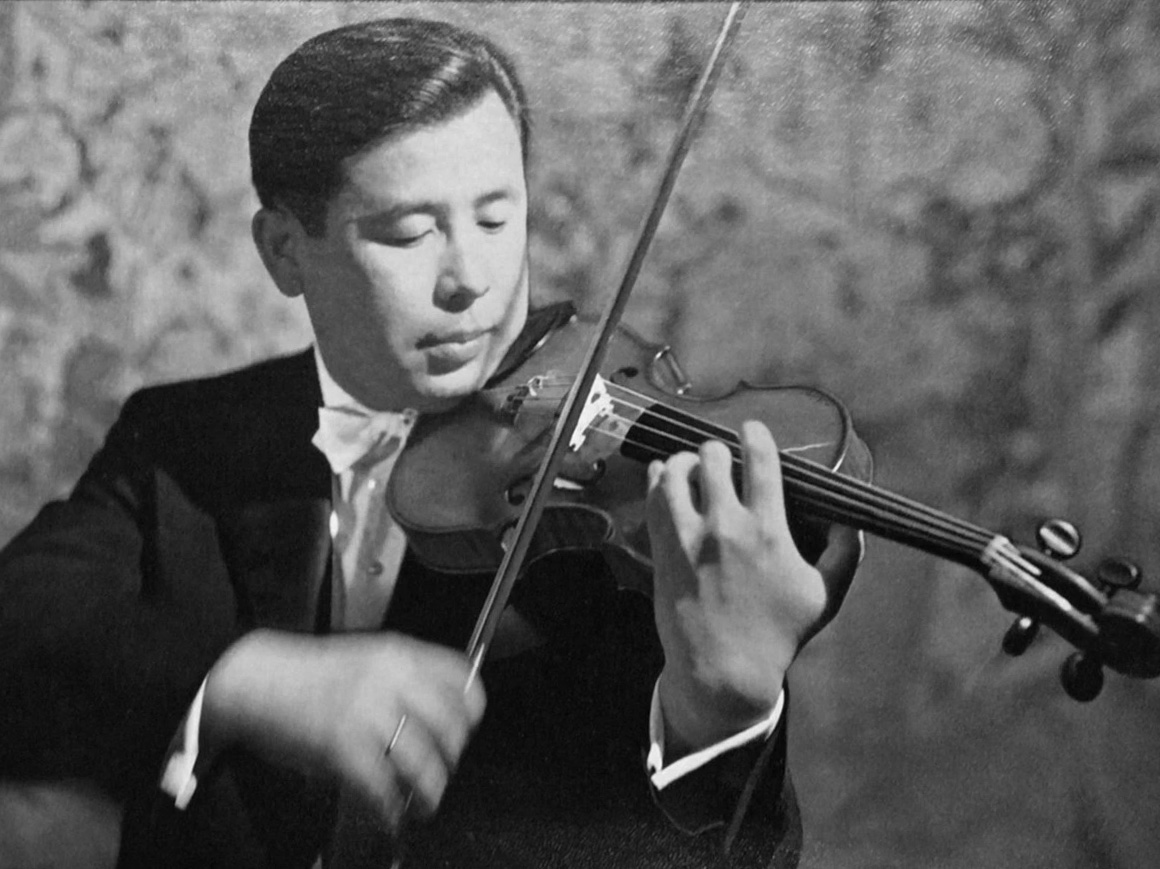
Toshiya Eto

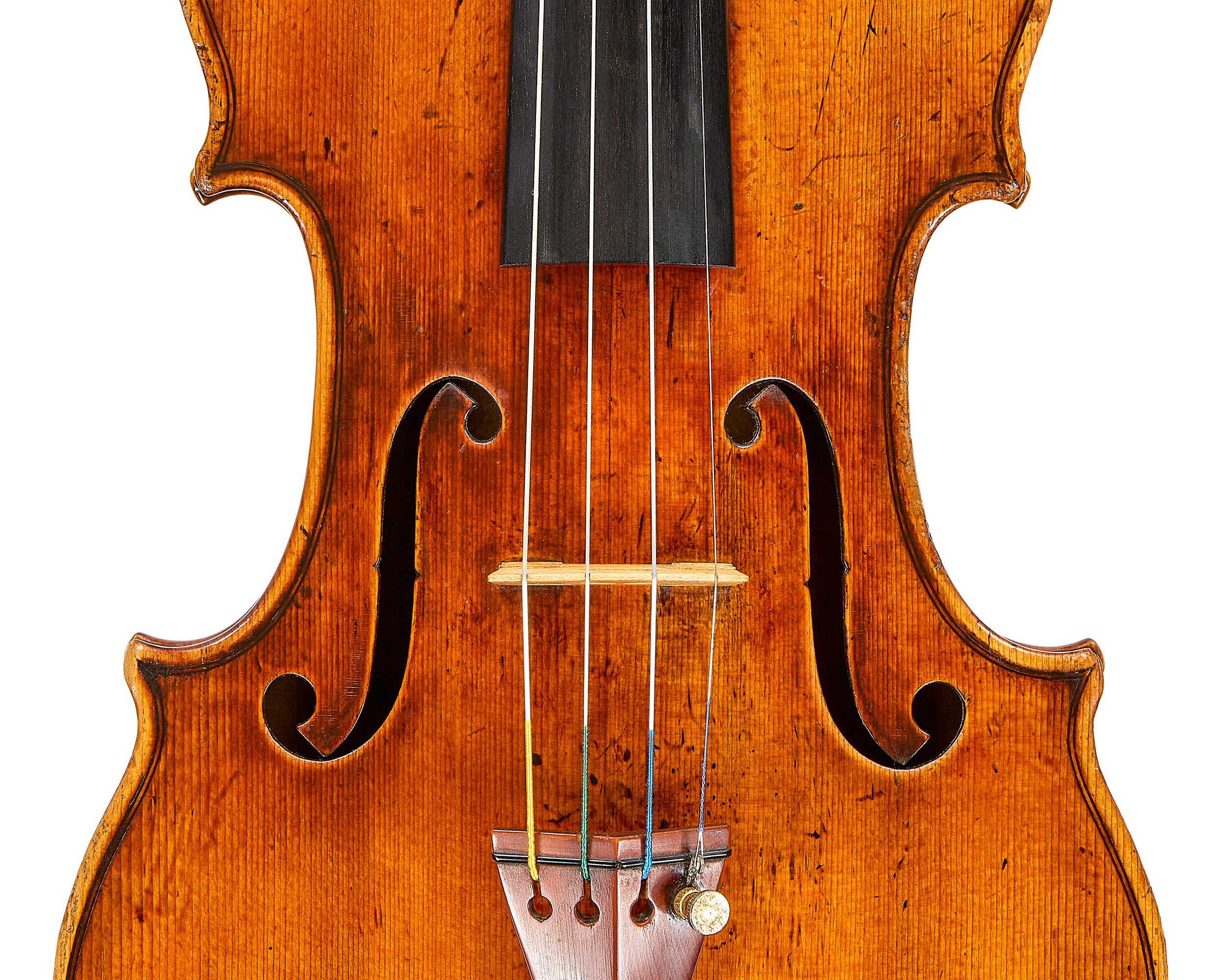
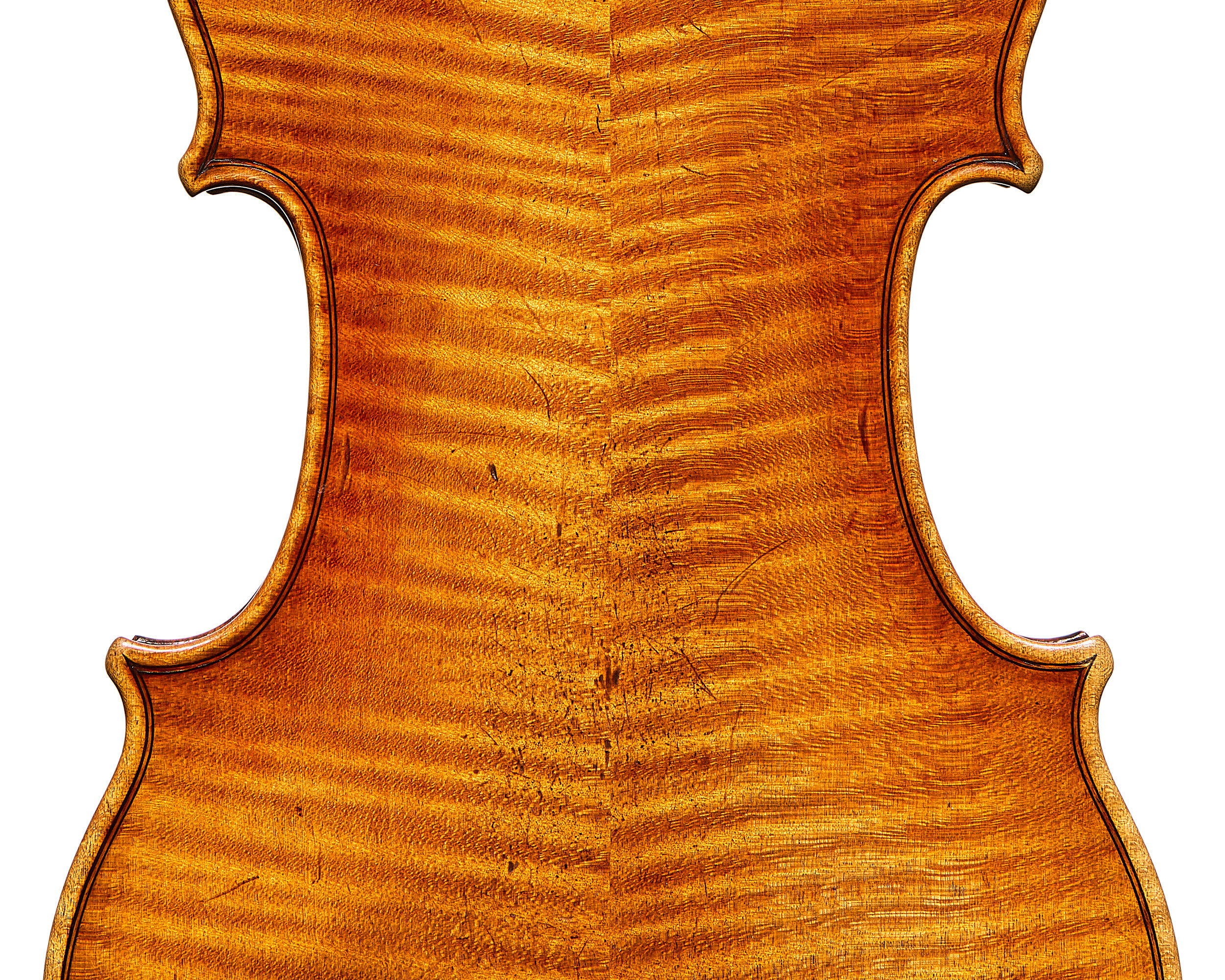
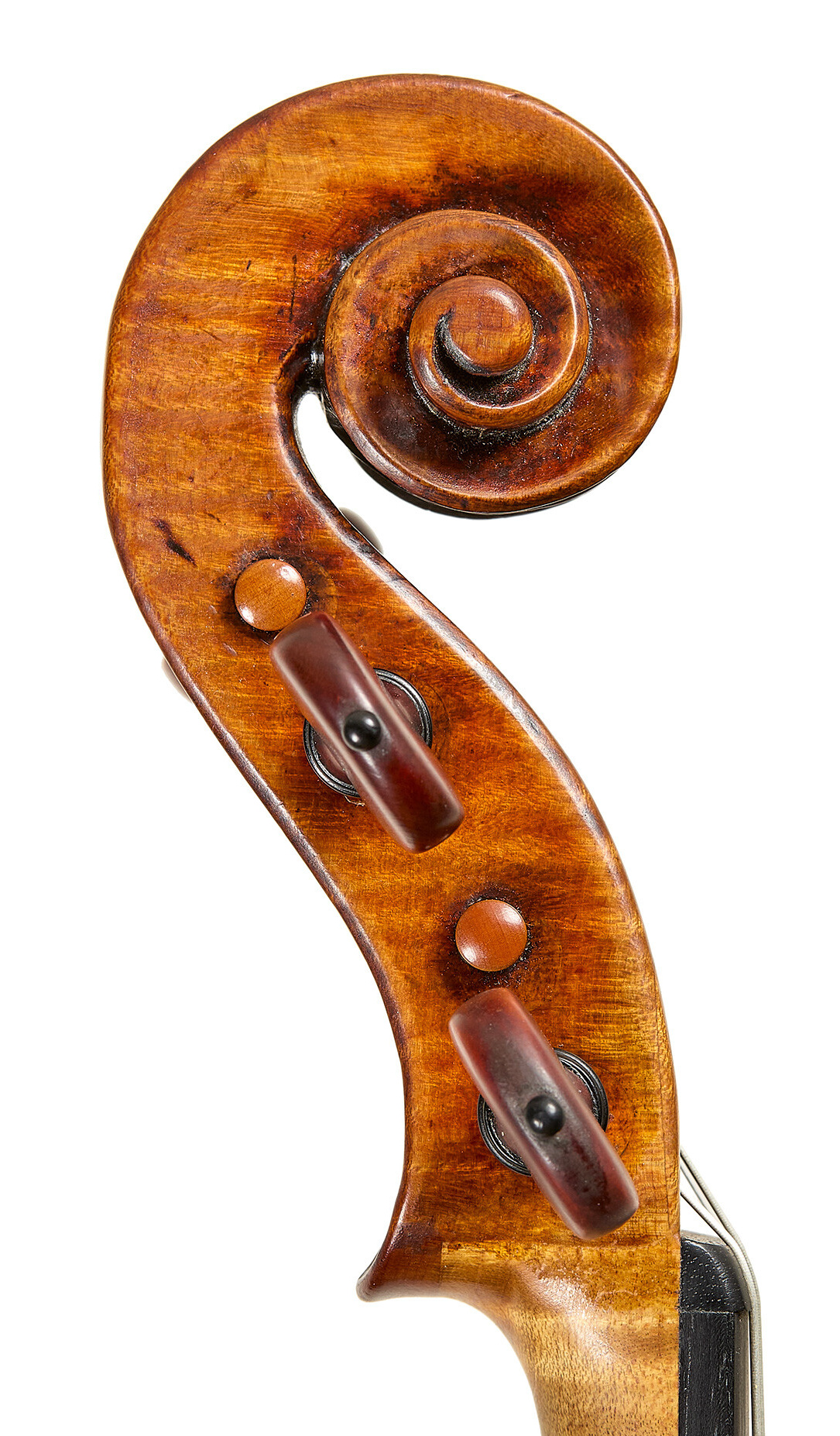
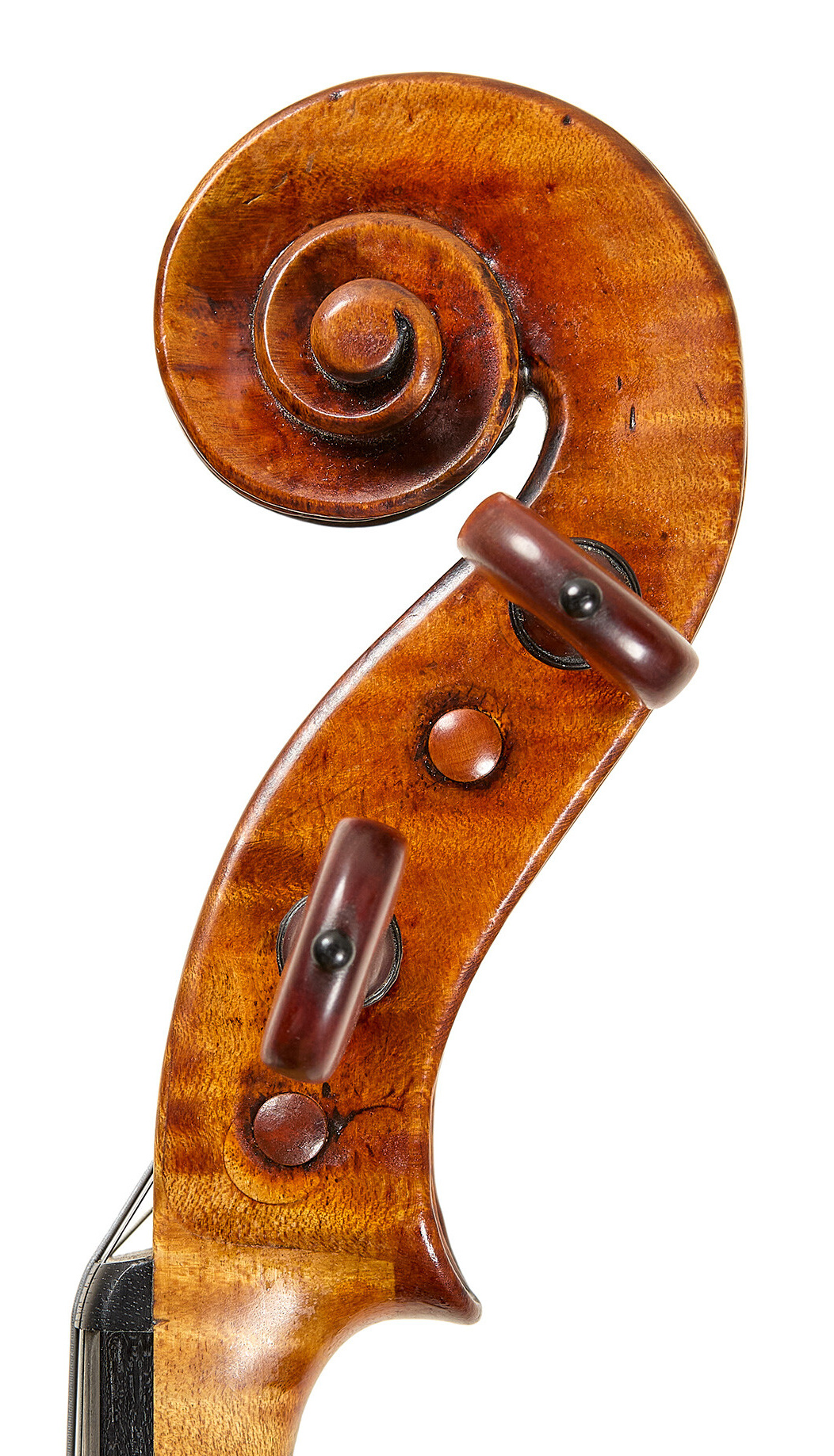
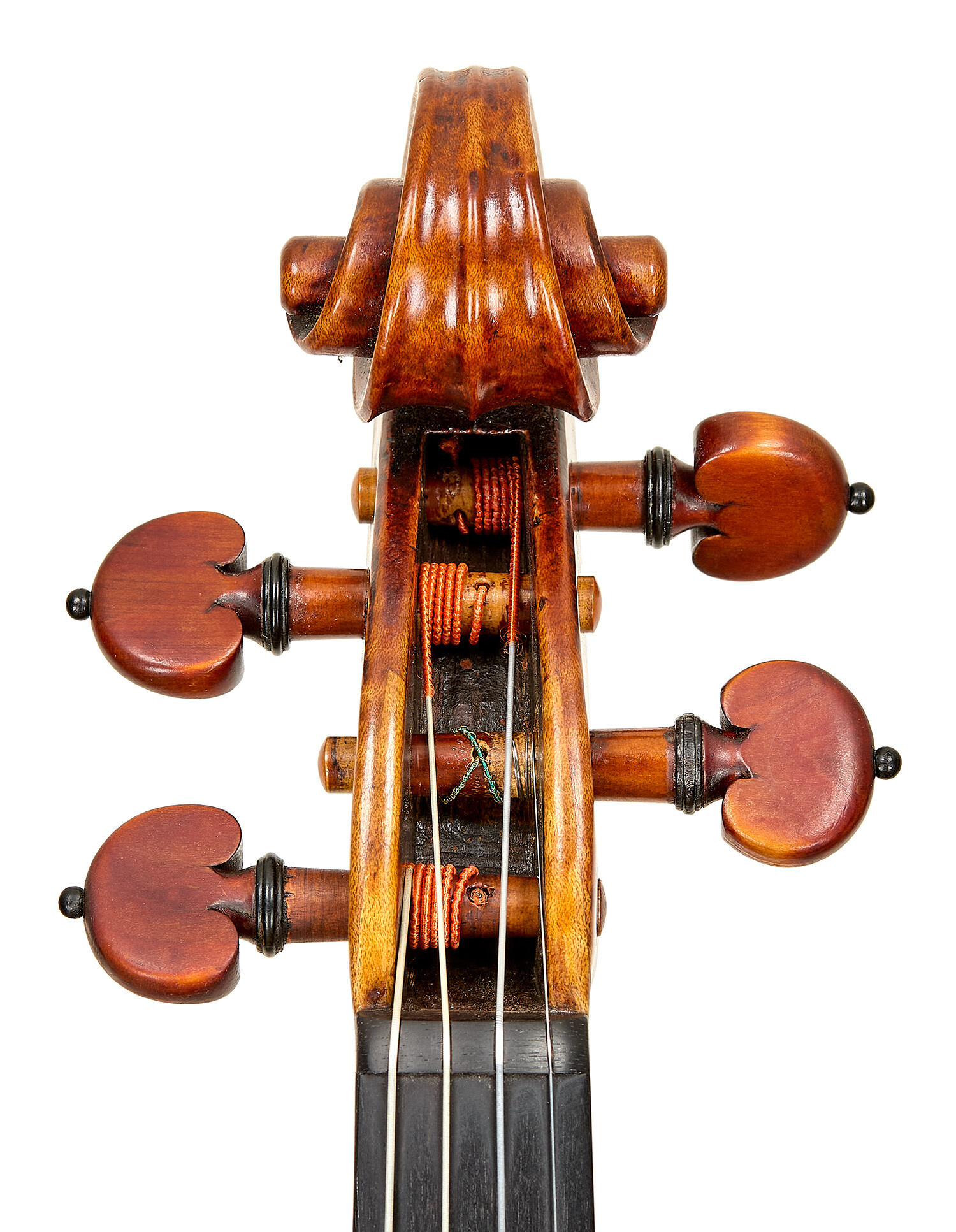
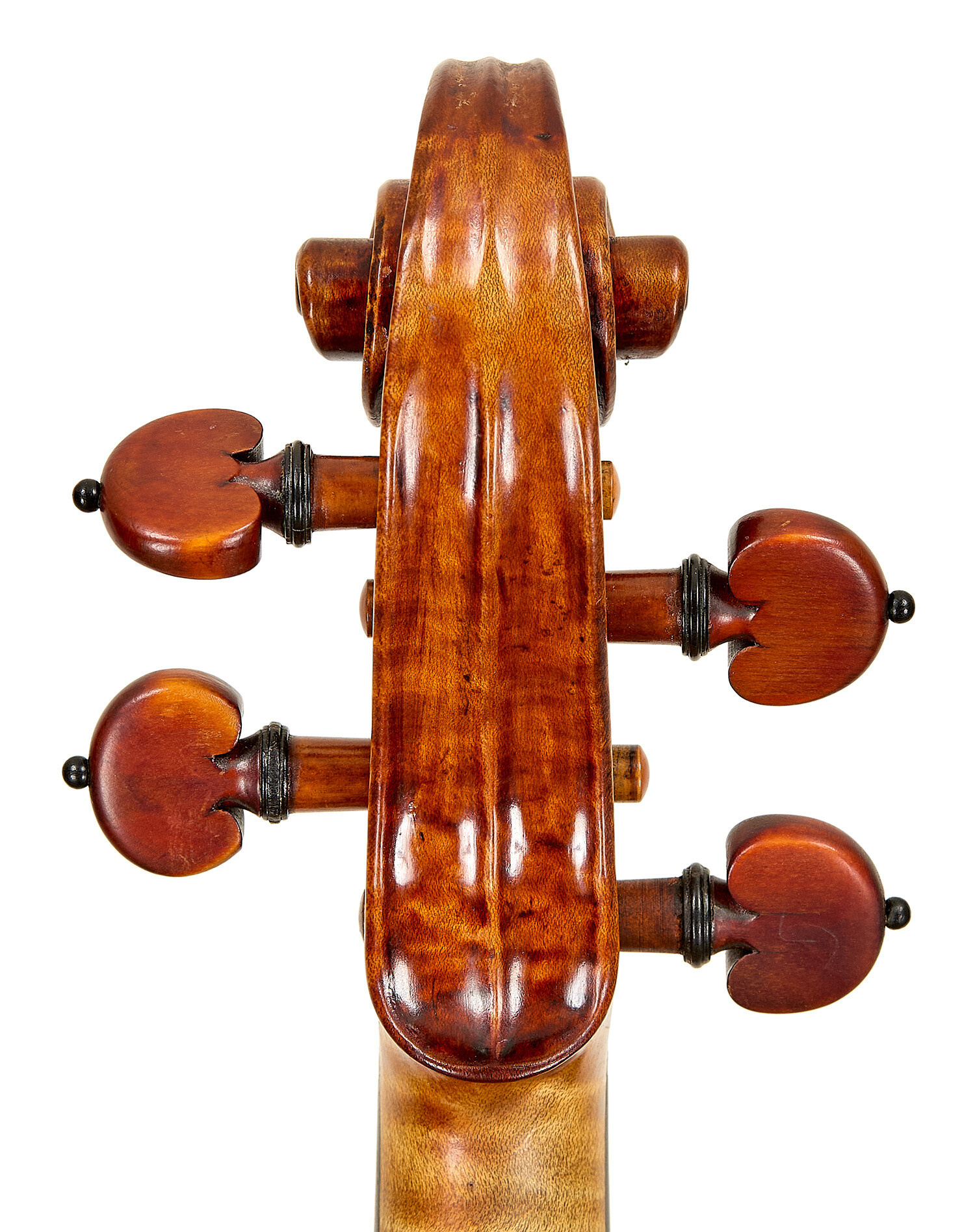
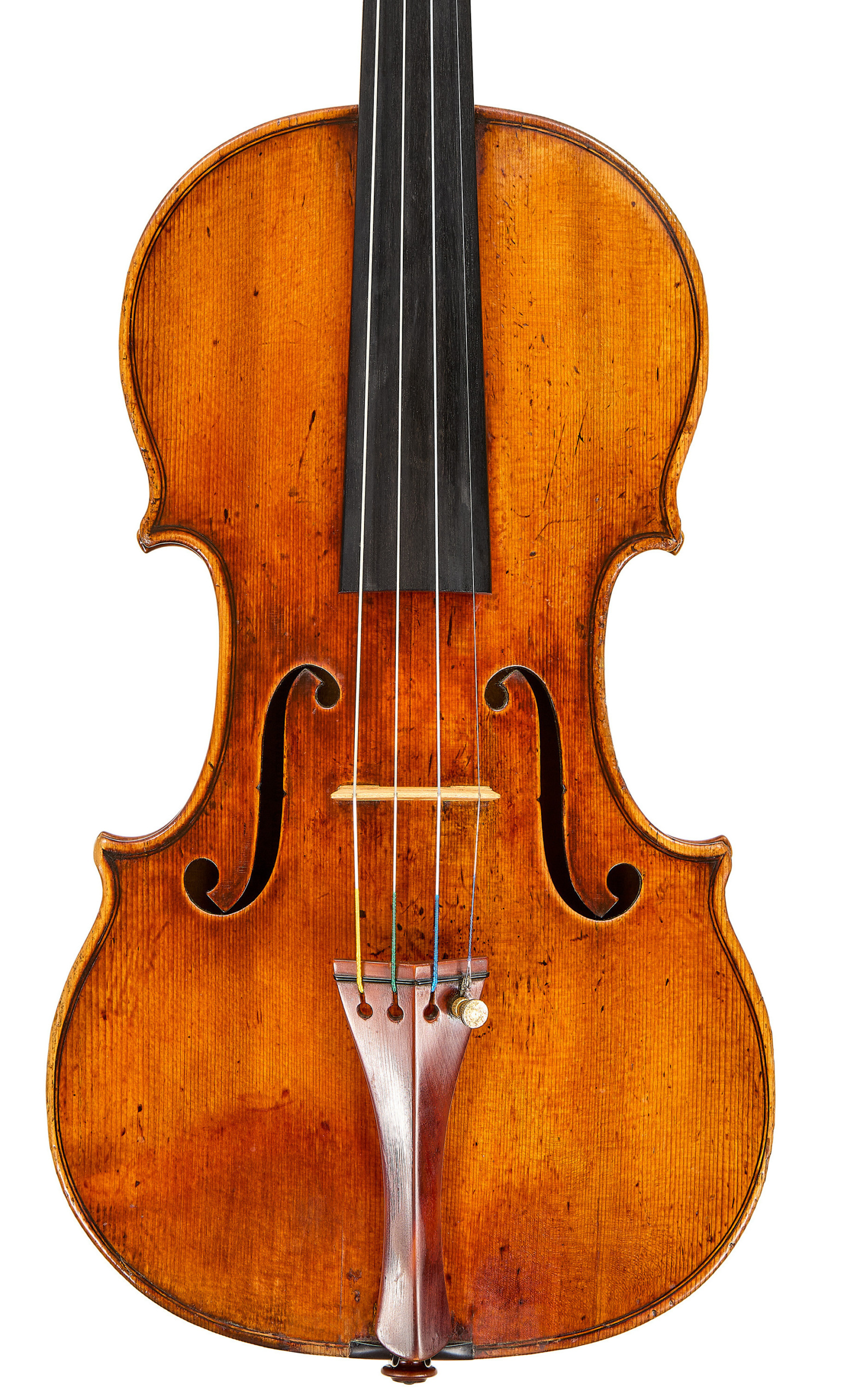
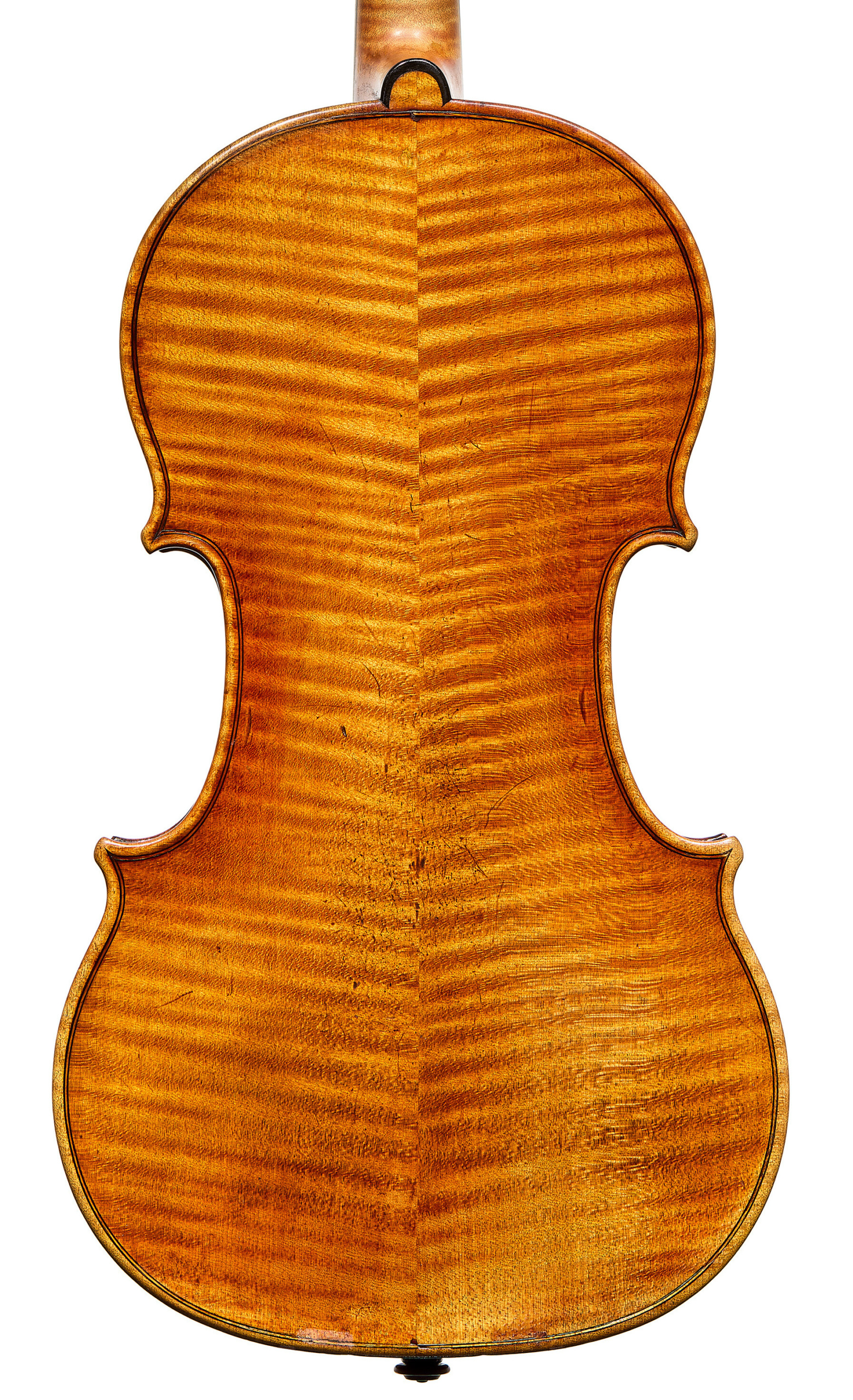
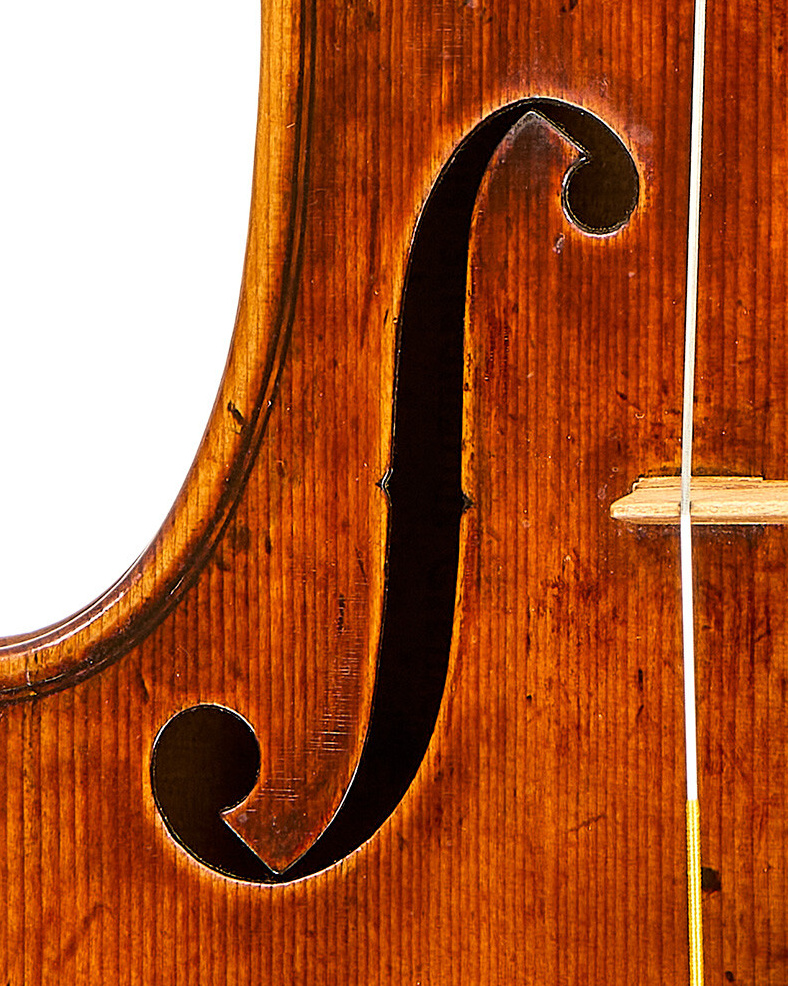
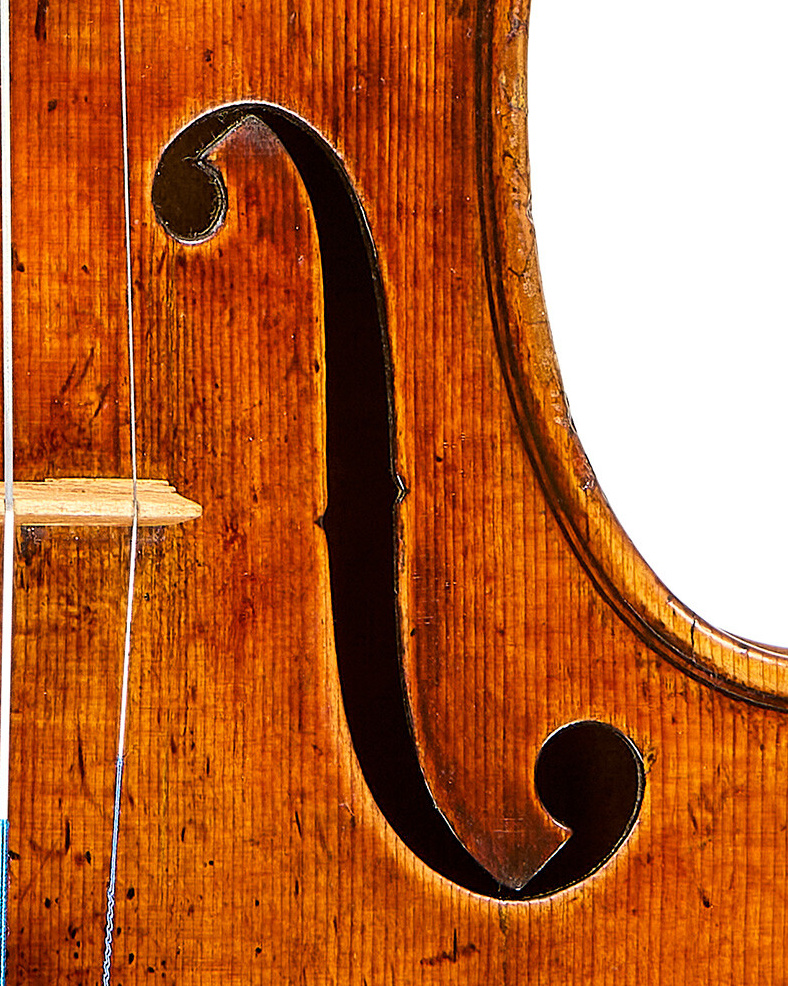
The appearance of the ‘Dancla, Milstein, Krasner, Eto’ is stunning. The back is cut from exceptionally beautiful maple, with deep, even flames running uninterrupted from edge to edge; the ribs are equally striking. The arching is low, broad and powerful, and the soundholes are unmistakably Stradivari in their confidence and poise.
I am drawn to its remarkable similarity to the great 1710 ‘Lord Dunraven’, played by Anne-Sophie Mutter since 1983. The resemblance is particularly striking in the maple of the backs, which is virtually identical. It’s inspiring to think of both violins on Stradivari’s bench together some 325 years ago. And it is remarkable, too, that these two great Stradivaris of 1710 should both have been acquired within a year of one another in Chicago.
I am drawn to its remarkable similarity to the great 1710 ‘Lord Dunraven’, played by Anne-Sophie Mutter since 1983. The backs are virtually identical. It’s inspiring to think of both violins on Stradivari’s bench together some 325 years ago.
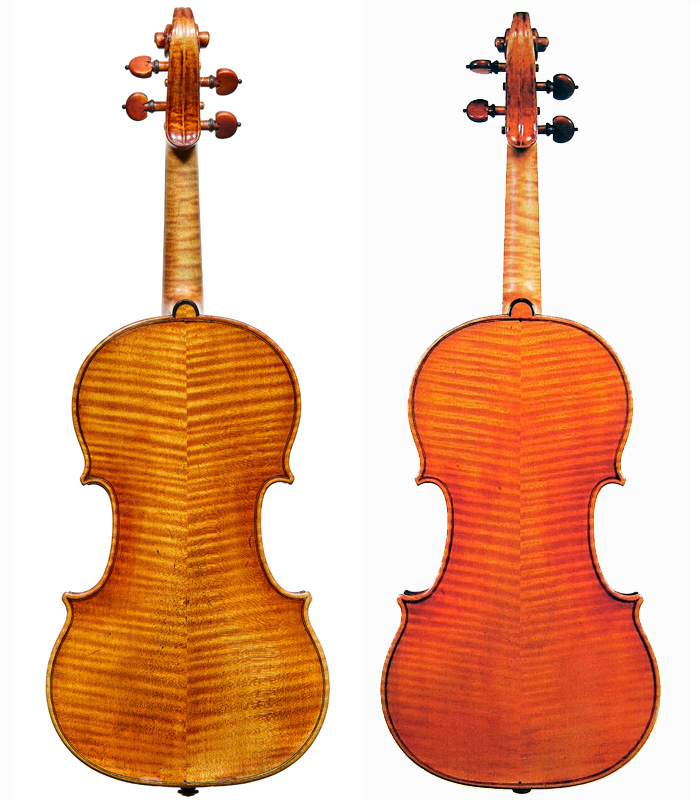
Twins: Toshiya Eto’s ‘Dancla’ and Anne-Sophie Mutter’s ‘Lord Dunraven’.
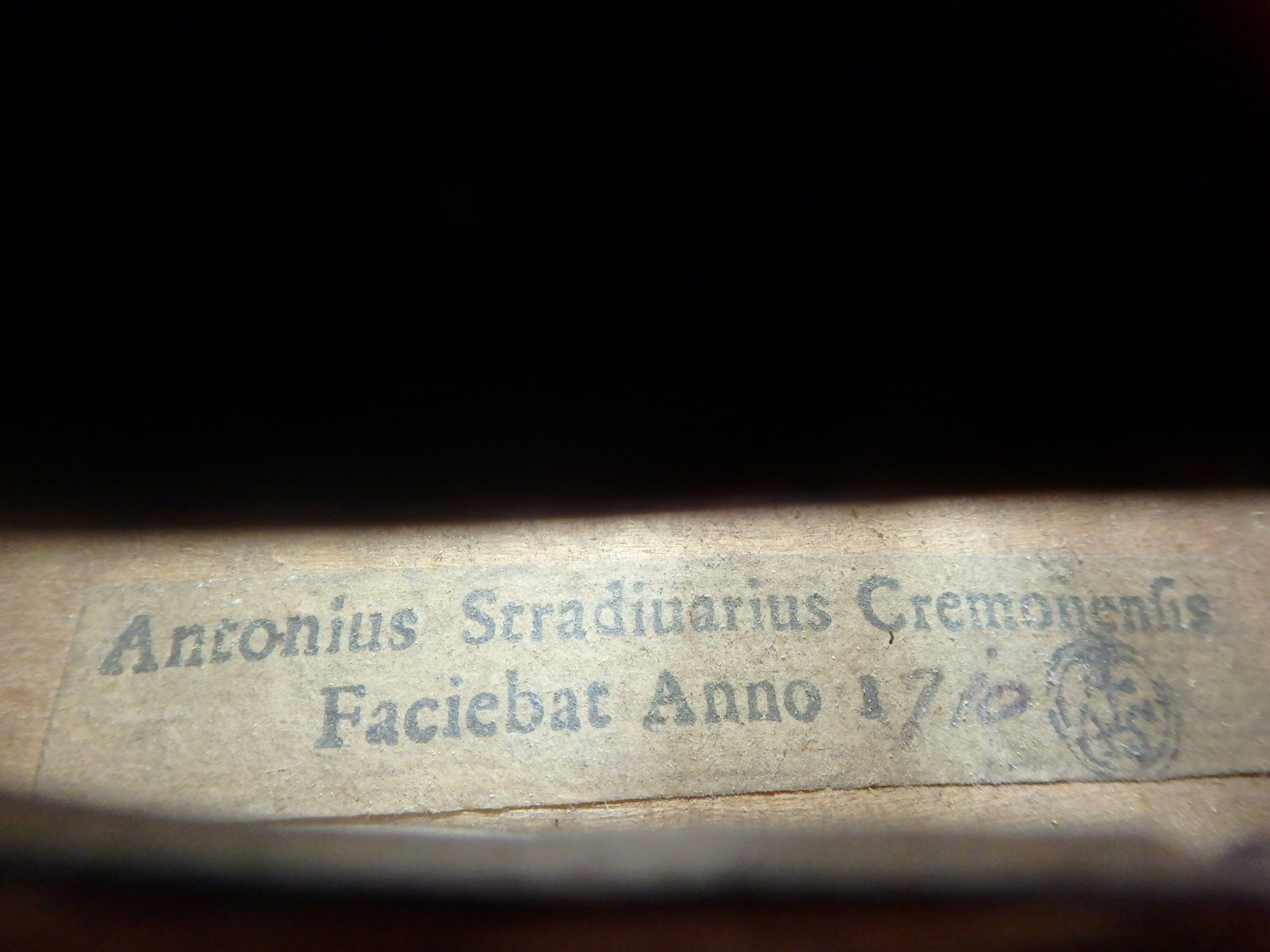
Dendrochronology confirms the instrument’s date and adds another dimension through the instruments with which its spruce correlates. The latest visible growth ring on the bass side dates to A.D. 1700 and that on the treble side to A.D. 1702. The wood shows significant correlations with a remarkable group of Stradivari instruments from the following two decades, including the 1710 ‘Vieuxtemps, Hauser’; the 1713 ‘Sancy, Kubelik’ and ‘Gibson, Huberman’; the c.1714 ‘da Vinci, ex-Seidel’; the 1714 ‘Soil’; the 1715 ‘Alard, Baron Knoop’; the 1716 ‘Provigny’; the c.1718 ‘Székely, Michelangelo’; and the 1719 ‘Rappoldi’.
Taken together, the maple and spruce place the ‘Dancla’ firmly among the extraordinary group of instruments Stradivari was making at the height of his powers.
Sources…
The violin’s early history comes from the records of the Paris dealers who handled it. The Catalogue Descriptif was begun by Charles-Eugène Gand in 1870 and continued by Gand & Bernardel frères and then Caressa & Français. It describes the violin twice: first in 1877, when Gand & Bernardel bought it from M. Florent and sold it to C. G. Meier of London, and again in 1914, when it was examined at the Paris home of M. Legrand. The second entry records how the violin passed from Meier to Charles Dancla, back to Gand & Bernardel in 1884, and on to Legrand on January 29, 1884. A later note records its sale to Wanamaker in 1925. The catalog is now in the Jacques Français Rare Violins archive at the Smithsonian’s National Museum of American History (Box 55, Folder 2). The firm’s account books show the money side of the same transactions, with accounts for Florent, for Meier at 16 Philpot Lane and for Dancla at 13 passage Saulnier. Those are the Gand & Bernardel grands livres and répertoires, now in the Musée de la musique, Paris. Arthur Hill’s diaries (1890–1939) give a portrait of Meier as collector, merchant and, later, dealer.
The violin’s 20th-century history is documented by its certificates. W. E. Hill & Sons certified it in 1934, transcribing Dancla’s pencilled inscription as “Charles Dancla, 1873”, a date that, as shown above, must be a misreading of 1878. The Rudolph Wurlitzer Company also certified it in 1934, the year Nathan Milstein bought it from them. Emil Herrmann certified it in 1946, when he took it in part exchange for the ‘Goldman’ Stradivari and referred it to Krasner. Bein & Fushi certified it when they sold it to Toshiya Eto in 1982.
Its value in 1928 comes from the New York Times of October 29, 1928, “Buys Rare Violins Valued at $650,000”. The article lists the instruments that the Rudolph Wurlitzer Company bought from the Wanamaker collection, and David Fulton reprints that list in The Fulton Collection (2002, p.136). Fulton’s own impressions of playing the violin are on p.53 of the same book.
The Strad has followed the violin for ninety years. The earliest description of its tone is in the magazine’s review of Milstein’s first recital in Egypt, at the Alhambra Theatre in Alexandria (1935, p.462). Milstein recalled the violin himself in an interview in August 1976 (p.275). The magazine’s review of Antonio Stradivari in Japan singled out its photograph of the violin’s f-hole (August 1984, p.269). Louis Krasner’s account of finding the violin for Milstein, and of owning it after him, appeared in December 1987 (pp.973–974). Krasner told the same story more briefly to Judith Davidoff in the Journal of the Violin Society of America (vol. VIII, no. 2, 1986, pp.20–21). Ernest Doring gives the standard early account in How Many Strads? (Chicago, 1945, pp.151–153). Herbert Goodkind illustrates the violin in Violin Iconography of Antonio Stradivari (1972, p.400).
The first great photographs of the violin were published in Antonio Stradivari in Japan (Tokyo: Gakken, 1984), a limited edition, in Japanese and English, of the Stradivari instruments then in Japanese hands. It showed the Dancla, then in Eto’s possession, alongside the ‘Sunrise’, the ‘Emperor’ and the ‘Park’. Shinichi Yokoyama’s photographs gave it a colour record in more detail than anything before. Reviewing the book in August 1984 (p.269), The Strad singled out “one breathtaking shot of the f-hole of the ‘Dancla’ of 1710”, in which “a single gleam of reflected light does the work of a thousand words in describing the delicate fluting of the lower wing.”